What Should You Know Before Ordering Custom Metal Furniture Accessories?
News Details
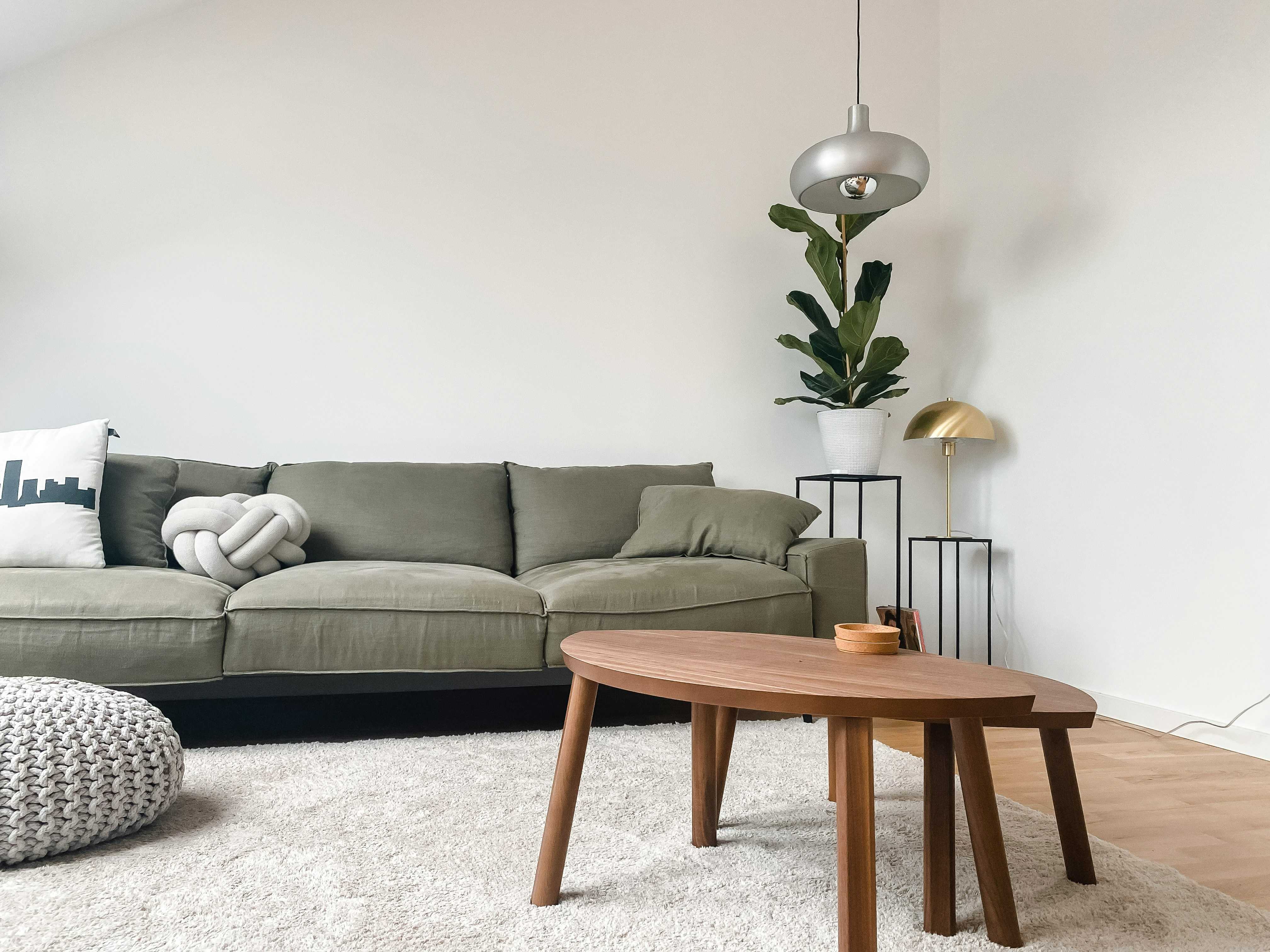
Custom metal furniture accessories may look like small parts, but they can have a big impact on the final product. They can improve the look of furniture, support its structure, and make daily use easier. Therefore, choosing the right metal accessories is an important step in any custom furniture project.
Today, more furniture manufacturers, interior designers, and project buyers are looking for custom metal accessories. Unlike standard hardware, custom parts can match specific furniture sizes, colors, shapes, and design needs.
However, ordering custom metal furniture accessories requires more than choosing a style. You also need to consider materials, finishes, dimensions, production methods, quality, cost, and delivery time.
So, what should you know before placing an order? In this guide, DTCASA explains the key points to help you make better choices and avoid common problems.
What Are Custom Metal Furniture Accessories?
Custom metal furniture accessories are metal parts designed and made for specific furniture products or interior projects. They can serve decorative, practical, or structural purposes.
Common examples include:
-
Cabinet handles and drawer pulls
-
Metal table legs and bases
-
Wardrobe handles and frames
-
Decorative metal strips and trims
-
Furniture corner protectors
-
Metal brackets and connectors
-
Door handles and hinges
-
Metal support frames
-
Decorative metal panels
-
Custom furniture feet
-
Metal inlays and borders
Unlike standard products, custom metal accessories can be made according to your drawings, samples, sizes, and design ideas.
For example, a furniture manufacturer may need a special brass handle for a luxury cabinet. Meanwhile, a hotel project may require metal table bases in a specific size and color.
As a result, custom production gives buyers more freedom to create furniture that matches their design plans.
Why Should You Choose Custom Metal Furniture Accessories?
There are several reasons to choose custom metal accessories instead of standard hardware.
First, custom accessories give you more design choices. You can select the shape, size, material, and finish to match your furniture.
Second, they help create a consistent style. For example, kitchen cabinets, wardrobes, and display units can use the same metal finish. This makes the whole interior look more connected.
Third, custom metal parts can meet special project needs. Hotels, villas, apartments, and commercial spaces often have different design and use requirements.
In addition, custom accessories can help your furniture stand out in the market. A unique handle or metal frame can give a furniture collection a more special look.
Therefore, custom metal furniture accessories are a useful choice for manufacturers, designers, and project buyers who need more control over product details.
Which Metal Materials Are Best for Custom Furniture Accessories?
Material selection is one of the first decisions you need to make. Different metals offer different looks, strengths, costs, and care needs.
Stainless Steel Furniture Accessories
Stainless steel is widely used for furniture hardware and decorative parts. It has a clean appearance and good resistance to rust and corrosion, depending on the grade and environment.
It is suitable for kitchen hardware, cabinet handles, table bases, and modern furniture details.
Aluminum Furniture Accessories
Aluminum is light in weight and easy to shape. Therefore, it is often used for furniture frames, decorative trims, handles, and other metal parts.
It can also be treated with different surface finishes to match various furniture styles.
Brass Furniture Accessories
Brass is popular for luxury furniture because of its warm color and refined look.
It works well for cabinet handles, decorative strips, furniture details, and high-end interior projects. However, buyers should confirm the surface treatment and care needs before ordering.
Iron and Steel Furniture Accessories
Iron and steel are useful for furniture parts that need strength and support.
They are often used for table legs, metal frames, brackets, and industrial-style furniture. However, the surface should have suitable protection to reduce the risk of rust.
The best material depends on the product's purpose, design, budget, and use environment. Therefore, do not choose a material based on appearance alone.
How Do You Choose the Right Metal Finish for Furniture Accessories?
The metal finish affects both appearance and daily use. Even when two accessories use the same material, different finishes can create very different results.
Popular metal finishes include:
-
Matte black: Suitable for modern and industrial furniture.
-
Brushed brass: Adds warmth and a luxury feel.
-
Polished stainless steel: Creates a bright and clean look.
-
Brushed stainless steel: Offers a simple and modern appearance.
-
Bronze: Works well with classic and warm interior styles.
-
Champagne gold: Creates a soft and elegant effect.
-
Powder coating: Provides a wide range of color options and can offer surface protection when properly applied.
When choosing a finish, consider the furniture color, wood grain, wall design, and other hardware.
For example, brushed brass can work well with dark wood cabinets. In contrast, matte black can create a clear look with white or light-colored furniture.
Moreover, ask the supplier whether the finish is suitable for the intended environment. Kitchens, bathrooms, hotels, and other high-use spaces may need different surface performance.
What Dimensions and Specifications Should You Confirm Before Ordering?
Correct dimensions are essential for custom metal furniture accessories.
If the size is wrong, the accessory may not fit the furniture. As a result, you may face extra work, delays, or higher costs.
Before placing an order, confirm the following details:
-
Overall length, width, and height
-
Material thickness
-
Hole position and hole diameter
-
Mounting method
-
Screw size and type
-
Weight and load requirements
-
Edge shape and corner details
-
Surface finish and color
-
Tolerance requirements
For example, cabinet handles need accurate hole spacing. Metal table legs need the correct height and mounting position. Similarly, decorative trims must match the size of the furniture panels.
Therefore, provide clear technical drawings whenever possible. If you do not have drawings, discuss your needs with the manufacturer and ask for help with product design.
Should You Provide Drawings or Samples When Ordering Custom Metal Accessories?
Yes. Drawings and samples can help reduce mistakes during production.
A technical drawing gives the supplier clear information about size, shape, material, and structure. It also helps both sides understand the product in the same way.
If you already have a physical sample, you can send it to the manufacturer for reference. This is especially useful when the accessory has a special shape or surface finish.
However, a drawing or sample should include as much useful information as possible.
For example, you should confirm:
-
Product dimensions
-
Material type
-
Surface finish
-
Color reference
-
Mounting details
-
Required quantity
-
Special quality standards
In addition, request a sample before mass production when the design is complex or the order quantity is large.
This step allows you to check the appearance, fit, and finish before approving the full order.
How Can You Check the Quality of Custom Metal Furniture Accessories?
Quality control is important because metal accessories affect both the appearance and function of furniture.
Before confirming an order, pay attention to these points.
1. Surface quality
The surface should be clean and even. Check for scratches, dents, rough areas, and visible marks.
2. Dimensional accuracy
The product should match the approved drawing or sample. Important measurements should stay within the agreed tolerance.
3. Edge and corner quality
Edges should be smooth and properly finished. Sharp edges may cause safety problems or damage other furniture parts.
4. Color consistency
For large orders, the color and surface finish should remain consistent across different pieces.
5. Structural strength
Table legs, brackets, and support frames should meet the load and use requirements of the furniture.
6. Fitting and assembly
Check whether the accessories can be installed correctly. Holes, screws, connectors, and mounting points should match the furniture design.
Furthermore, ask the supplier about its inspection process. A clear quality control plan can help reduce defects and improve order consistency.
What Production Processes Are Used for Custom Metal Furniture Accessories?
Different products require different manufacturing methods. Understanding the basic processes can help you discuss your order more clearly with a supplier.
Common production methods include:
Metal Cutting
Cutting is used to make metal parts in the required size and shape. The method depends on the material thickness and product design.
Laser Cutting
Laser cutting is often used for accurate shapes and detailed metal parts. It is suitable for decorative panels, frames, and some custom hardware.
Bending and Forming
These processes change the shape of metal sheets or profiles. They are commonly used for brackets, frames, trims, and furniture structures.
Welding
Welding connects metal parts to create a complete structure. It is often used for table bases, metal frames, and support components.
Polishing and Surface Treatment
Polishing helps improve the surface appearance. Other treatments, such as brushing, plating, and powder coating, can create different colors and finishes.
Not every product needs all these processes. Therefore, the supplier should select the right production method based on the design, material, and required quality.
How Much Do Custom Metal Furniture Accessories Cost?
The cost of custom metal furniture accessories depends on several factors.
First, the material affects the price. Stainless steel, aluminum, brass, and steel have different material costs.
Second, the product design matters. Simple handles are usually easier to produce than complex metal frames or decorative parts.
Third, the surface finish can change the total cost. Special colors, plating, polishing, and other treatments may require extra steps.
Other cost factors include:
-
Product dimensions and thickness
-
Production quantity
-
Tooling and mold costs
-
Manufacturing processes
-
Quality requirements
-
Packaging
-
Shipping and delivery location
For example, a large order of simple cabinet handles may have a lower unit cost than a small order of complex custom metal parts.
However, the cheapest option is not always the best choice. Poor material or surface quality may lead to replacement costs later.
Therefore, compare quotations based on the same specifications, materials, finishes, and quality requirements.
What Is the Minimum Order Quantity for Custom Metal Accessories?
Minimum order quantity (MOQ) depends on the supplier, product type, material, and production process.
Some manufacturers may accept small orders for simple products. However, complex designs or products that require special tooling may have higher MOQ requirements.
Before ordering, ask the supplier:
-
What is the MOQ for this product?
-
Can you accept a sample order?
-
Is there an extra charge for small quantities?
-
Can different sizes or finishes be included in one order?
-
Will the unit price change with larger quantities?
For project buyers, it is also useful to estimate the total demand before production begins.
For example, if you are ordering accessories for a hotel project, calculate the number of cabinets, wardrobes, tables, and other furniture pieces first.
This can help you plan the order and control the total cost.
How Long Does It Take to Manufacture Custom Metal Furniture Accessories?
Production time depends on product design, order quantity, material availability, surface treatment, and factory capacity.
Simple products may take less time than complex parts that need special tooling or several production steps.
The full process may include:
-
Design review and technical confirmation.
-
Material preparation.
-
Sample production.
-
Sample testing and approval.
-
Mass production.
-
Quality inspection.
-
Packaging and shipping.
However, buyers should not focus only on manufacturing time. Sample approval, design changes, and transport can also affect the final delivery date.
Therefore, confirm the production schedule before placing the order. If the accessories are part of a larger furniture project, make sure their delivery matches the furniture production and installation plan.
How Should You Choose a Reliable Custom Metal Furniture Accessories Manufacturer?
Choosing the right manufacturer is just as important as choosing the right material.
A reliable supplier should understand your product needs and provide clear information throughout the order process.
Here are some important points to check.
Manufacturing experience: Ask whether the supplier has experience making similar furniture accessories.
Production equipment: Check whether the factory has suitable equipment for cutting, bending, welding, polishing, and surface treatment.
Sample support: A good supplier should be able to make samples for design and quality checks when needed.
Quality control: Ask how the manufacturer checks materials, dimensions, surface quality, and finished products.
Communication: Clear communication helps reduce misunderstandings during design and production.
Delivery support: Confirm the supplier's production capacity, packaging methods, and delivery arrangements.
After-sales service: Ask how the supplier handles defective products, missing parts, or quality problems.
If possible, review factory photos, product samples, customer feedback, and previous project experience before making a decision.
What Common Mistakes Should You Avoid When Ordering Custom Metal Furniture Accessories?
Even experienced buyers can face problems when ordering custom metal parts. Fortunately, many issues can be avoided with better planning.
Here are some common mistakes.
Choosing materials based only on price
Low-cost materials may not meet the project's strength, appearance, or durability needs. Instead, compare material performance and total value.
Providing unclear drawings
Missing dimensions or mounting details can lead to production errors. Therefore, confirm all key specifications before manufacturing.
Ignoring finish samples
Metal colors may look different on a computer screen and in real life. Always check a physical sample when color matching is important.
Not confirming installation details
An accessory may look good but still fail to fit the furniture. Check hole positions, screw sizes, and mounting methods.
Ordering without a quality agreement
If quality standards are not clear, it may be difficult to judge the finished products. Confirm inspection requirements before mass production.
Waiting too long to place an order
Custom production takes time. If the accessories are needed for a hotel or residential project, plan the order early to avoid delays.
What Should You Include in a Custom Metal Furniture Accessories Order Checklist?
Before confirming your purchase, use this simple checklist to review the main details.
-
Product name and application
-
Material type and grade
-
Product dimensions and thickness
-
Technical drawings or reference samples
-
Surface finish and color
-
Mounting and installation details
-
Required quantity and MOQ
-
Sample approval requirements
-
Quality inspection standards
-
Unit price and total order cost
-
Production lead time
-
Packaging and shipping requirements
-
Warranty and after-sales terms
Once these details are confirmed, both the buyer and manufacturer can work with a clearer production plan.
How Does DTCASA Support Custom Furniture and Interior Projects?
At DTCASA, metal furniture accessories can be considered as part of a complete custom furniture and interior solution.
For residential projects, metal details can be coordinated with customized cabinets, kitchen cabinets, wardrobes, dining tables, wooden doors, and other furniture.
For hotels and commercial spaces, the selection of materials, hardware, and finishes can support the overall interior design.
DTCASA focuses on custom furniture and interior solutions for residential, hospitality, and commercial projects. Its manufacturing approach brings different furniture categories and production needs together.
For project buyers, this means that furniture materials, decorative details, and practical requirements can be considered during the planning stage.
To learn more about DTCASA's custom furniture solutions, visit dtcasa.com.
DTCASA Contents: Custom Metal Accessories and Whole House Customization
When planning a whole-house or commercial furniture project, metal accessories should not be treated as separate products.
Instead, they should match the furniture design and the overall interior style.
For example, a luxury villa project may include:
-
Custom kitchen cabinets with metal handles
-
Wooden wardrobes with decorative metal frames
-
Dining tables with custom metal bases
-
Wooden doors with matching metal hardware
-
Custom storage units with metal trims
-
Furniture with coordinated paint and metal finishes
For hotel projects, the same idea applies. Metal accessories can help connect guest room furniture, public area furniture, cabinets, and decorative details.
DTCASA's custom furniture content and solutions cover different furniture categories and interior needs. By planning these products together, buyers can create a more consistent result and make better use of custom manufacturing.
Explore more furniture and interior solutions at DTCASA.
Conclusion: What Should You Know Before Ordering Custom Metal Furniture Accessories?
Ordering custom metal furniture accessories involves more than choosing a design. You need to consider material, finish, size, production methods, quality, cost, MOQ, and delivery time.
First, define your project needs. Then, prepare clear drawings or samples and confirm all technical details with the manufacturer. In addition, check the surface finish, fitting, and quality before approving mass production.
Most importantly, choose a supplier with suitable manufacturing skills, clear communication, and reliable quality control.
With proper planning, custom metal accessories can improve furniture design, support daily use, and create a more consistent interior.
For buyers working on villas, apartments, hotels, and commercial spaces, DTCASA provides custom furniture and interior solutions that help bring different furniture elements together.
Visitdtcasa.com to explore more about custom furniture and whole house customization.


