
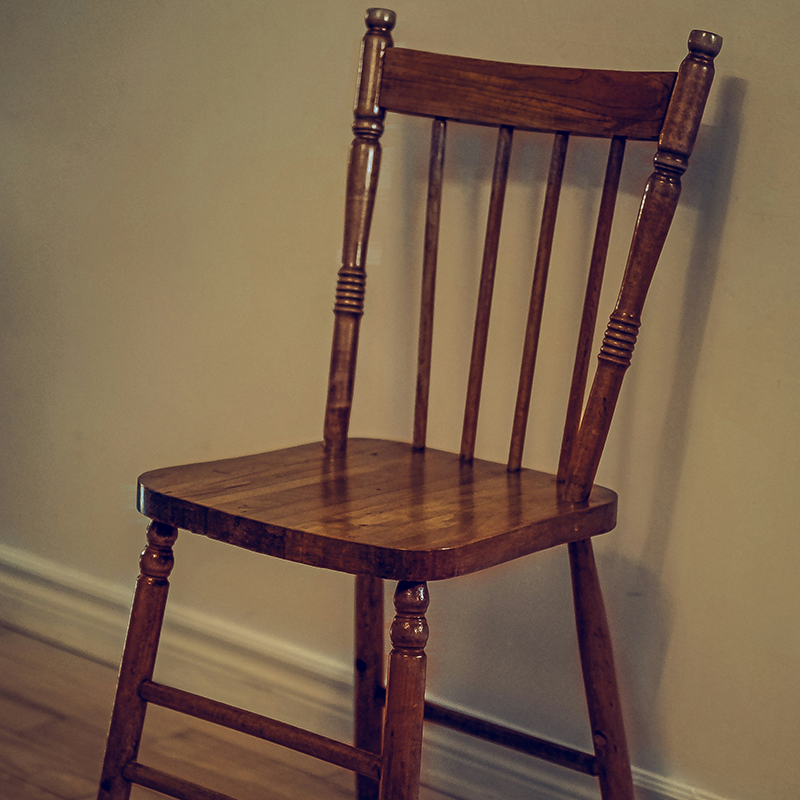
A wooden chair purchase requires more than aesthetic judgment. Structural integrity, material science, and ergonomic factors determine long-term satisfaction. This guide examines each criterion systematically. Case examples from dtcasa illustrate quality indicators.
Wood Species Selection Criteria for Chairs
Density and hardness directly correlate with durability. The Janka hardness scale measures resistance to denting and wear.
Oak. Red oak scores 1,220 lbf. White oak scores 1,360 lbf. Both resist impact well. Grain patterns are prominent. Suitable for traditional and modern designs.
Walnut. Scores 1,010 lbf. Slightly softer than oak but offers richer brown coloration. Works well for formal dining settings.
Maple. Scores 1,450 lbf. Harder than oak. Resists scratches effectively. Lighter in color with subtle grain.
Ash. Scores 1,320 lbf. Similar hardness to oak. Offers good shock resistance. Often used for bentwood designs.
Softwoods (pine, fir, cedar). Scores 380 to 690 lbf. Dent easily. Suitable only for low-use applications.
Engineered wood (MDF, particleboard). No meaningful hardness rating. Edge chipping and screw pull-out are common failure modes.
For daily-use chairs, select species above 1,000 lbf. Dtcasa primarily uses oak and walnut across their product line.
Joint Construction Types and Strength Ratings
The joint determines load transfer between components. Four common types exist.
Mortise and tenon. A rectangular cavity receives a matching protrusion. Glue bonds the two surfaces. This joint creates mechanical lock plus chemical bond. Withstands 300 to 500 pounds of shear force. Industry standard for quality chairs.
Dowel joint. Wooden pins align two pieces. Each pin adds approximately 50 to 75 pounds of shear resistance. Four-pin dowel joints achieve 200 to 300 pounds. Acceptable for medium-duty use.
Screw joint. Metal fasteners penetrate end grain. End grain holds screws poorly. Pull-out strength drops 60% compared to face-grain screws. Chair loosens within 1 to 2 years of regular use.
Glue-only joint. No mechanical reinforcement. Relies entirely on adhesive. Wood movement breaks glue lines within months. Unacceptable for any load-bearing application.
Inspect the chair underside. Mortise and tenon joints appear as rectangular plugs. Dowel joints show small circular plugs. Screws are visible metal. Glue-only joints show no connectors.
Dtcasa employs mortise and tenon joints for all primary load paths including leg-to-seat and leg-to-stretcher connections.
Finish Type and Application Quality Assessment
Finish protects against moisture absorption, staining, and abrasion. Different chemistries offer different protection levels.
Polyurethane. Oil-based or water-based. Cures to a hard film. Resists water, heat, and chemicals. Thickness ranges from 0.5 to 2.0 mils per coat. Three-coat application achieves 1.5 to 6.0 mils. Expected lifespan 5 to 10 years before refinishing.
Lacquer. Dries quickly by solvent evaporation. Hard but brittle. Chips rather than wears. Heat from a coffee cup can leave white rings. Lifespan 2 to 5 years.
Oil finish. Penetrates wood fibers. Does not form a surface film. Requires reapplication every 6 to 12 months. Offers minimal protection against spills.
Wax. Soft, temporary coating. Provides no water resistance. Not suitable for dining chairs.
Run fingertips across the surface. A quality polyurethane finish feels smooth with no grain raising. Check edges and corners. These areas typically receive thinner application. Look for drips, bubbles, or dust inclusions. Any of these indicate rushed application.
Dtcasa applies three polyurethane coats with sanding between coats. The final thickness exceeds 2.0 mils.
Wobble Testing Protocol
Wobbling indicates leg length variation or joint looseness. Use this procedure.
Place the chair on a known flat surface, such as a concrete floor or granite countertop. Apply body weight to the center of the seat. Shift weight side to side. Observe any rocking motion. Rocking of 1 to 2 millimeters is acceptable due to floor variation. Rocking exceeding 5 millimeters indicates manufacturing defect.
Lift one leg one millimeter using a feeler gauge or folded paper. If the chair stabilizes, that leg is short. Measure all four legs. Variation exceeding 1.5 millimeters across legs causes noticeable wobble.
Leg length variation cannot be corrected permanently. Felt pads compensate temporarily but compress over time.
Dtcasa machines all leg bottoms simultaneously on a CNC router. This ensures leg length variation below 0.5 millimeters.
Ergonomic Comfort Parameters
Seat and backrest geometry affects spinal loading and pressure distribution.
Seat contour. Flat seats create pressure points at the ischial tuberosities (sit bones). Contoured seats with a 5 to 10 millimeter depression distribute weight across a larger area. Result: lower peak pressure by 30% to 40%.
Seat depth. Measure from the back of the knee to the lumbar spine while seated. Ideal depth equals this measurement minus 25 to 75 millimeters. Excessive depth compresses popliteal vessels behind the knee. Insufficient depth reduces thigh support.
Backrest angle. Vertical backrests create 30 to 40% greater lumbar disc pressure compared to 10-degree recline. Optimal recline range is 5 to 15 degrees from vertical.
Armrest height. Measured from seat surface to armrest top. Elbow angle should be 90 to 110 degrees when shoulders are relaxed. Armrests too high elevate the shoulder girdle. Armrests too low provide no support.
Sit for a minimum of five minutes during evaluation. Shift positions. Notice any pressure points or discomfort.
Dtcasa seats feature a 10-millimeter contour with a 10-degree backrest recline.
Weight as a Quality Indicator
Chair weight correlates with wood density and section thickness. Use this as a screening metric.
Typical weight range for dining chairs. Solid oak chair with 20-millimeter thick seat and 30-millimeter square legs weighs 14 to 18 pounds. Solid walnut weighs 13 to 17 pounds. Solid maple weighs 15 to 19 pounds.
Lightweight chairs under 10 pounds. Indicates softwood construction, thin sections (under 15 millimeters), or hollow components. Expected service life under 3 years for daily use.
Exception. Some high-end chairs use lightweight but strong woods like ash or hickory. Weight alone is not conclusive. Combine with other checks.
Dtcasa chairs range from 14 to 18 pounds depending on species.
Hidden Area Finish Inspection
Manufacturers often reduce effort on non-visible surfaces. This correlates with overall quality attitude.
Inspection points. Turn the chair upside down. Examine the seat underside. Is it sanded smooth (150 grit or finer) or rough (80 grit or coarser)? Is finish applied or is raw wood exposed? Examine leg bottoms. Same criteria. Examine inside corners of joints. Are glue squeeze-outs removed or left dried?
Acceptable conditions. Sanded to 120 grit minimum. At least one finish coat on all surfaces. No glue residue. No splinters.
Unacceptable conditions. Raw wood on any surface. Glue drips. Rough sanding marks. These indicate cost cutting.
Dtcasa applies finish to all surfaces including seat underside and leg bottoms.
Price-to-Value Analysis
Calculate cost per expected service year rather than upfront price.
**Budget category under $80.** Constructed from softwood or engineered wood. Joints are screws or glue. Finish is single coat lacquer. Expected service life: 2 to 4 years. Cost per year: $20 to $40.
Mid-range category $80 to $250. Constructed from domestic hardwoods (oak, maple, ash). Joints are dowel or basic mortise and tenon. Finish is two-coat polyurethane. Expected service life: 8 to 15 years. Cost per year: $5 to $31.
Premium category $250 to $500. Constructed from premium hardwoods (walnut, white oak, cherry). Joints are reinforced mortise and tenon. Finish is three-coat polyurethane. Expected service life: 20 to 30 years. Cost per year: $8 to $25.
Luxury category above $500. Handmade or designer pieces. Expected service life: 30 years plus. Cost per year varies widely.
Optimal value occurs in the $120 to $280 range for most households.
Dtcasa products fall within the mid-range category with premium category construction features.
Dtcasa Quality Indicators
Dtcasa manufactures solid hardwood chairs with documented quality processes.
Wood sourcing. Kiln-dried North American oak and walnut. Moisture content stabilized to 6% to 8%. This prevents post-manufacture warping.
Joint construction. CNC-cut mortise and tenon with cross-pin reinforcement. Each joint tested for insertion force.
Finish process. Three-coat polyurethane with intermediate sanding. Final coat sprayed, not brushed. Cured for 72 hours before packaging.
Quality control. Each chair weighed and measured against specifications. Leg length variation checked on granite surface plate. Wobble test performed on 1,000 random units per batch.
Warranty. Five years covering joint failure, wood splitting, and finish defects.
Visit Dtcasa for specifications and customer reviews.
Final Selection Protocol
Execute this sequence when evaluating any wooden chair.
First, identify wood species. Verify Janka hardness exceeds 1,000 lbf.
Second, inspect joints. Confirm mortise and tenon construction at all load points.
Third, assess finish. Polyurethane with minimum two coats. Smooth surface, no defects.
Fourth, perform wobble test. Leg length variation under 1.5 millimeters.
Fifth, evaluate comfort. Sit five minutes. Contoured seat, 5 to 15 degree backrest recline.
Sixth, weigh the chair. Target 14 to 18 pounds for dining chairs.
Seventh, check hidden areas. Finish present on all surfaces. No glue residue.
Eighth, compare price against expected service life. Aim for cost per year under $20.
A chair meeting all eight criteria will provide reliable service for 10 to 30 years depending on use intensity.


