
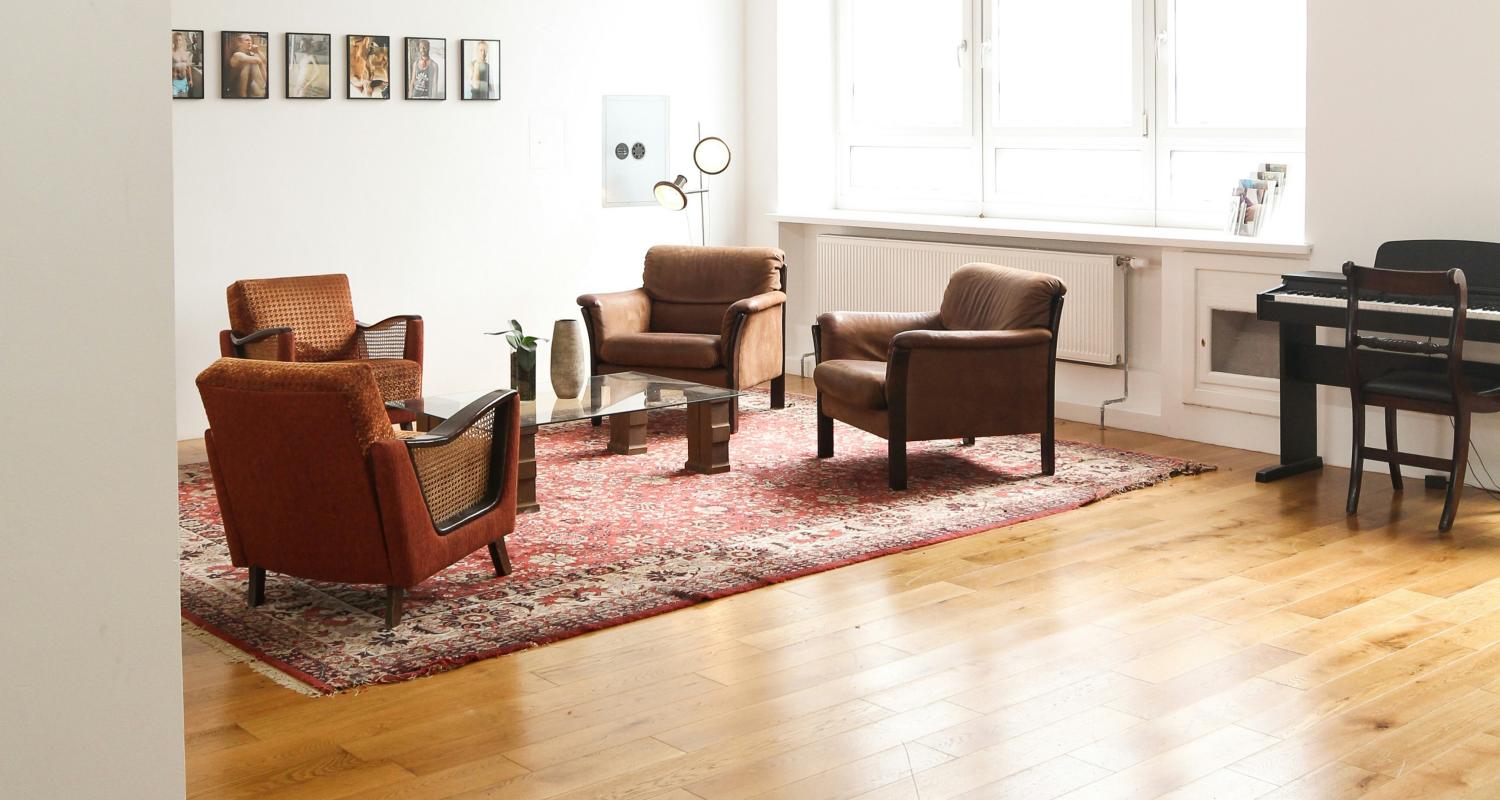
Choosing the right wood floor color is one of the most important decisions in interior design. It affects how your space looks, feels, and even how large or warm it appears. At first glance, many colors may seem similar, but once installed, the difference becomes very clear.
So, how do you make the right choice? In this guide, we will break it down step by step in a simple and practical way so you can confidently choose the best wood floor color for your home or project.
Why Wood Floor Color Matters for Your Space Design
Wood flooring is not just a surface you walk on. Instead, it sets the base tone of your entire room. For example, a light wood floor can make a small room feel open and bright, while a dark wood floor can bring a sense of luxury and depth.
Moreover, the floor color affects how your furniture, walls, and lighting work together. Therefore, choosing the right tone is not only about style, but also about balance.
In addition, the floor is a long-term investment. Once installed, it is not easy or cheap to change. That is why careful planning is important from the beginning.
Understand Lighting Before Choosing Wood Floor Color
First of all, you should always look at your space lighting.
Natural light plays a big role. If your room gets a lot of sunlight, darker wood floors can work well because they will not make the space feel too heavy. On the other hand, if your room is darker, lighter wood tones will help reflect light and make the space feel more open.
Artificial lighting is also important. Warm lighting usually pairs well with warm wood tones like oak or walnut. Meanwhile, cool lighting often works better with ash or gray-toned wood floors.
So, before you decide, observe your room at different times of the day. This simple step can help you avoid costly mistakes later.
How to Match Wood Floor Color with Wall and Furniture Colors
Next, you should think about the overall color harmony in your space.
If your walls are light-colored, you have more flexibility. You can choose both light and dark wood floors. However, if your walls are already dark, it is better to avoid very dark floors, because the space may feel too heavy.
In addition, your furniture matters a lot. For example, if you plan to use modern minimalist furniture, neutral wood tones such as natural oak or light ash can create a clean and balanced look.
However, if your style is more classic or luxury-oriented, deeper tones like walnut or espresso can enhance that elegant feeling.
Therefore, always think of your floor as part of a complete system, not just a separate element.
Choose Wood Floor Color Based on Room Size and Layout
Room size is another key factor.
For small rooms, lighter wood floor colors are usually the best choice. They reflect more light and create a sense of openness. As a result, the room feels less crowded.
For larger rooms, you have more freedom. You can choose medium or dark tones to add warmth and structure. In fact, dark wood floors can help large spaces feel more comfortable and less empty.
Meanwhile, for open-plan layouts, consistency is very important. Using one unified wood floor color across different areas helps create visual flow and makes the whole space feel connected.
Popular Wood Floor Color Trends You Should Know
Today, wood floor color trends are moving toward natural and simple tones.
For example, light oak remains very popular because it fits many modern styles. At the same time, natural beige wood tones are widely used in Scandinavian and minimalist interiors.
On the other hand, gray wood floors have become common in urban apartments. They offer a modern and calm feeling, especially when combined with black or white furniture.
Meanwhile, dark walnut and espresso tones are still preferred in luxury homes and hotels because they bring strong visual depth and elegance.
However, trends should not replace personal preference. It is always better to choose a color that matches your lifestyle rather than just following fashion.
Natural vs Dark vs Light Wood Floor Colors: How to Decide
To make things easier, you can divide wood floor colors into three main categories:
Light wood floors
These include tones like white oak, maple, and light ash. They are perfect for small rooms and modern minimalist styles. In addition, they make spaces feel fresh and bright.
Dark wood floors
These include walnut, espresso, and deep brown tones. They are ideal for luxury interiors and large rooms. Moreover, they help create a strong and elegant atmosphere.
Natural wood floors
These sit in the middle range, such as natural oak. They are the most flexible option because they work well with almost any design style.
So, instead of feeling overwhelmed, you can simply start by choosing which category fits your space best.
How DTCASA Helps You Choose the Right Wood Floor Color
When selecting wood floor color for a full interior project, professional guidance can make a big difference.
At DTCASA, wood flooring and whole-house customization solutions are designed to match different interior styles, project sizes, and functional needs. As a manufacturing-based company, DTCASA focuses on integrated space design, which means flooring is not chosen alone—it is coordinated with furniture, cabinets, and overall room layout.
In addition, DTCASA’s production system includes multiple workshops such as solid wood processing, panel furniture manufacturing, and surface finishing. This allows better control of color consistency across different materials. As a result, the wood floor color can be matched more precisely with doors, wardrobes, and custom furniture.
Furthermore, for large projects such as villas, apartments, hotels, or model homes, DTCASA provides tailored solutions that help maintain a unified design language. This is especially important when you want your wood floor color to blend naturally with the entire space.
Therefore, instead of choosing flooring alone, working with an integrated manufacturer can help you achieve a more balanced and professional result.
Common Mistakes When Choosing Wood Floor Color
Even though choosing wood floor color may seem simple, many people still make mistakes.
One common mistake is ignoring lighting conditions. As mentioned earlier, lighting can completely change how a color looks.
Another mistake is choosing a trendy color without thinking long-term. While gray or ultra-dark floors may look stylish now, they may not always match future furniture changes.
In addition, some people forget about maintenance. Dark floors may show dust more easily, while very light floors may show stains faster.
So, before making a final decision, it is important to consider both appearance and practicality.
Final Tips for Pickingthe Right Wood Floor Color
To sum up, choosing the right wood floor color is about balance, not guesswork.
First, always check your lighting conditions. Then, consider your wall and furniture colors. After that, think about room size and overall style.
Moreover, try to choose a color that you will still like in the next 5 to 10 years. Trends are helpful, but comfort and long-term satisfaction matter more.
Finally, if you are working on a full interior project, consider professional support to ensure all elements work together smoothly.
With the right approach, your wood floor will not only support your space but also elevate it.


