
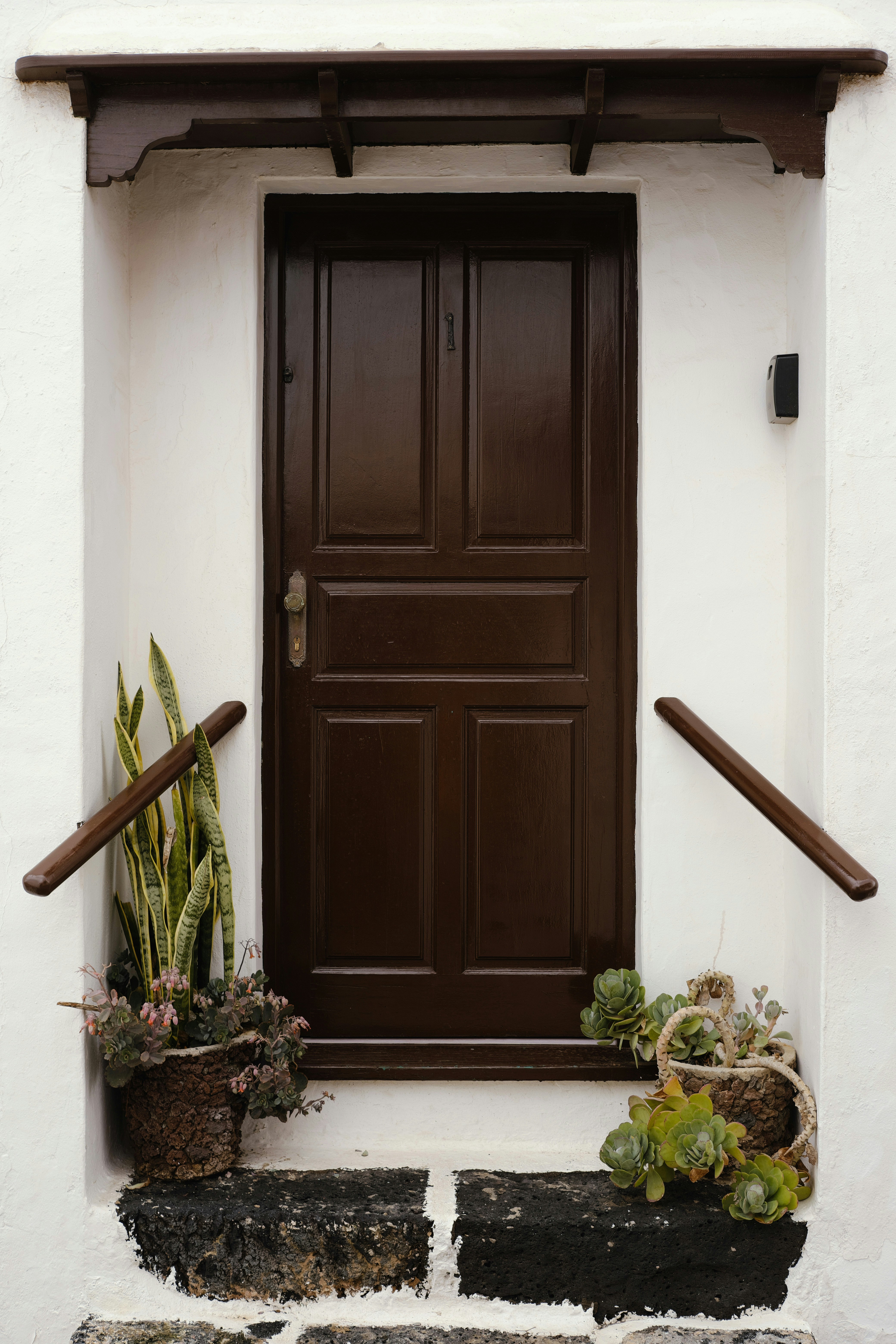
Wooden doors are more than simple building parts. They affect style, safety, sound control, and even property value. Today, many builders, hotel owners, wholesalers, and furniture brands choose OEM wooden door manufacturers to create custom products that match their projects. But many buyers still ask one important question: how do OEM wooden door manufacturers work?
This guide explains the full OEM process step by step. It also shows how professional suppliers likeDTCASAhelp global buyers complete projects faster and more smoothly.
What Is an OEM Wooden Door Manufacturer?
An OEM wooden door manufacturer produces doors based on the buyer’s design, brand, size, material, or technical requirements. OEM means “Original Equipment Manufacturer.” In simple words, the factory makes products for another company or project owner.
Unlike standard door suppliers, OEM manufacturers provide more flexible solutions. For example, they can customize:
- Door sizes
- Wood materials
- Surface finishes
- Door colors
- Hardware options
- Fire-resistant structures
- Soundproof designs
- Luxury decorative details
Because of this flexibility, OEM wooden door manufacturing is widely used in hotels, villas, apartments, offices, and commercial buildings.
How Do OEM Wooden Door Manufacturers Start a Project?
Most OEM wooden door projects follow a clear process. Good manufacturers keep communication simple and organized from the beginning.
Requirement Discussion and Project Analysis
The first step is understanding the buyer’s needs. The manufacturer collects information such as:
- Door quantity
- Door style
- Project drawings
- Material requirements
- Budget goals
- Delivery timeline
- Local market standards
At this stage, experienced suppliers often provide suggestions to improve production efficiency and reduce costs.
For example, DTCASA works closely with developers, designers, and contractors to create customized wooden door solutions for residential and commercial projects.
How Do OEM Wooden Door Manufacturers Design Products?
After confirming the requirements, the design team prepares technical drawings and production details.
Custom Wooden Door Design Process
The design process usually includes:
- CAD drawings
- Door structure planning
- Veneer selection
- Color matching
- Hardware positioning
- Surface finish confirmation
Some projects also require 3D renderings or sample production before mass manufacturing begins.
This step is very important because it helps avoid production mistakes later. In addition, buyers can review all details before approval.
How Do OEM Wooden Door Manufacturers Choose Materials?
Material quality directly affects the final product. Therefore, professional OEM manufacturers carefully select wood and supporting materials.
Common Materials Used in OEM Wooden Doors
Popular materials include:
- Solid wood
- MDF
- Plywood
- Veneer panels
- Engineered wood
- HDF boards
Manufacturers also choose different finishes based on project needs, including:
- Natural wood veneer
- PU paint
- Laminate surfaces
- Melamine finishes
Many luxury projects prefer solid wood veneer because it offers a premium appearance and long-term durability.
At DTCASA, material sourcing follows strict quality standards to ensure stable performance and elegant finishes.
How Do OEM Wooden Door Manufacturers Handle Production?
Once the sample and materials are approved, mass production begins.
OEM Wooden Door Manufacturing Process
The production process often includes:
- Material cutting
- Core structure assembly
- Edge sealing
- Surface treatment
- Painting or laminating
- Hardware preparation
- Quality inspection
- Packaging
Modern factories use advanced machines to improve accuracy and production speed. However, skilled workers still play an important role in surface finishing and detail control.
Because of this combination of technology and craftsmanship, professional OEM wooden door manufacturers can maintain both quality and efficiency.
How Do OEM Wooden Door Manufacturers Control Quality?
Quality control is one of the most important parts of OEM manufacturing.
Wooden Door Quality Inspection Standards
Reliable manufacturers inspect products during several stages:
- Raw material inspection
- Production process inspection
- Surface finish inspection
- Size accuracy testing
- Hardware fitting checks
- Packaging inspection
Some projects also require:
- Fire rating tests
- Moisture resistance tests
- Sound insulation tests
Strong quality management reduces installation problems and protects the buyer’s reputation.
For international projects, DTCASA provides strict production supervision and professional after-sales support to help buyers reduce risks.
How Do OEM Wooden Door Manufacturers Handle Packaging and Shipping?
After inspection, the products move to the packaging stage.
Export Packaging for Wooden Doors
OEM manufacturers usually use:
- Foam protection
- Corner guards
- Wooden crates
- Strong cartons
- Moisture-proof wrapping
Good packaging is especially important for overseas shipping because it prevents damage during transportation.
Many experienced suppliers also help arrange:
- Container loading
- Export documents
- Customs support
- Logistics coordination
As a result, buyers can manage projects more efficiently.
Why Do Buyers Choose OEM Wooden Door Manufacturers?
OEM manufacturing offers several important advantages.
Benefits of OEM Wooden Door Manufacturing
Better Customization
Buyers can create products that match their brand image or project style.
More Competitive Pricing
Factories often provide better prices for bulk production.
Stable Product Quality
Professional manufacturers follow consistent production standards.
Faster Large-Scale Production
Advanced production systems improve delivery efficiency.
One-Stop Project Support
Some suppliers provide doors, furniture, wall panels, and interior solutions together.
For example, DTCASA offers custom furniture and interior manufacturing solutions in addition to OEM wooden doors, making project coordination easier for developers and contractors.
How to Choose the Right OEM Wooden Door Manufacturer?
Not all suppliers provide the same service quality. Therefore, buyers should carefully evaluate manufacturers before cooperation.
Key Factors When Selecting an OEM Wooden Door Factory
Look for manufacturers with:
- Strong factory capacity
- Export experience
- Professional design teams
- Stable material supply
- Strict quality control
- Fast communication
- Reliable delivery schedules
It is also helpful to review factory cases, certifications, and sample quality before placing large orders.
ConclusionSo, how do OEM wooden door manufacturers work? The process usually starts with project discussions and continues through design, material selection, production, quality inspection, packaging, and shipping.
A professional OEM manufacturer does more than simply produce doors. They help buyers control costs, improve quality, simplify project management, and support long-term business growth.
Companies like DTCASA provide customized wooden door manufacturing and integrated interior solutions for global residential and commercial projects. With strong production capacity and project experience, they help clients complete customized projects more efficiently and professionally.


Copyright © 2026 上海德庭实业有限公司 Ltd. All Rights Reserved. POWERED BY WEIMOBTRADE
