
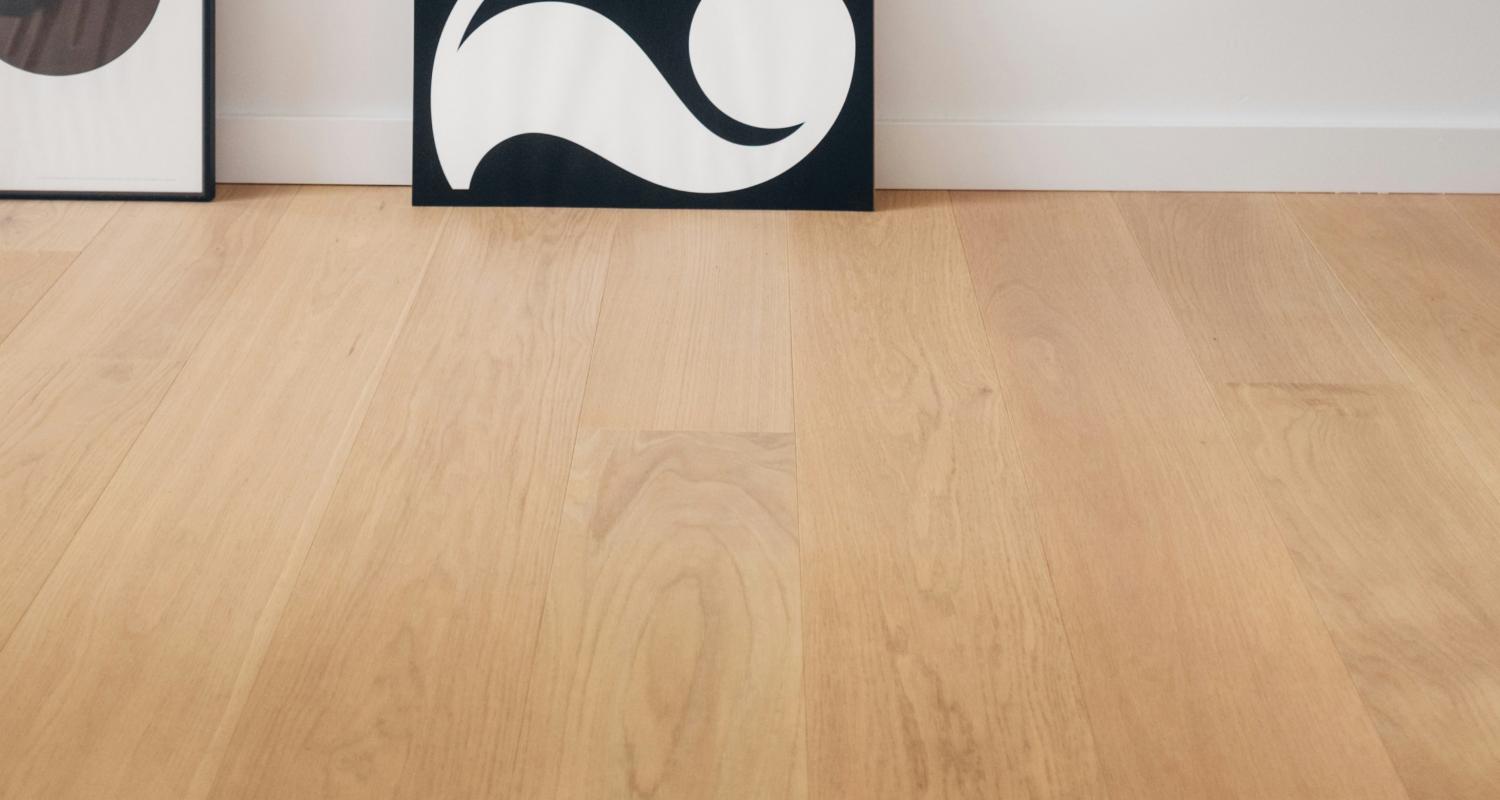
Wood flooring has always been a popular choice for homes because it feels warm, natural, and stylish. However, many homeowners still ask an important question: can wood flooring be installed in kitchens and bathrooms? The short answer is yes—but with conditions.
In this article, we will explain where wood flooring works well, where it needs extra care, and how modern materials and solutions make it more practical than ever. We will also look at how professional manufacturers like DTCASAprovide better options for wet-area flooring projects.
Can Wood Flooring Be Installed in Kitchens? Wood Flooring Kitchen Pros and Cons
To begin with, kitchens are semi-wet areas. They deal with water splashes, oil stains, and frequent cleaning. Because of this, wood flooring in kitchens needs careful selection.
On the positive side, wood flooring brings warmth and style. It makes the kitchen feel more connected to the rest of the home. In open-plan layouts, this is a big advantage. Moreover, engineered wood options are now more stable than traditional solid wood.
However, there are also risks. For example, water spills from sinks or dishwashers can damage natural wood if not cleaned quickly. In addition, humidity changes may cause expansion or slight warping over time.
Therefore, if you choose wood flooring for the kitchen, it is better to use:
- Engineered wood flooring with a strong top layer
- Waterproof or water-resistant surface coating
- Proper sealing during installation
As a result, you can enjoy the beauty of wood while reducing common kitchen risks.
Can Wood Flooring Be Installed in Bathrooms? Wood Flooring Bathroom Moisture Challenges
When it comes to bathrooms, the situation becomes more challenging. Bathrooms are high-moisture spaces with constant steam, water, and humidity changes. Because of this, traditional wood flooring is generally not recommended.
Still, this does not mean it is impossible.
With modern technology, some engineered wood and specially treated wood products can be used in bathroom areas. However, strict conditions must be followed:
First, waterproof sealing is essential. Every edge and joint must be carefully treated. Second, ventilation must be strong to reduce moisture buildup. Third, water exposure must be minimized as much as possible.
Even so, many designers still prefer alternatives such as porcelain tiles or SPC flooring for bathrooms because they are more stable.
In summary, wood flooring in bathrooms is possible, but it requires high-quality materials and professional installation.
What Type of Wood Flooring Works Best in Kitchens and Bathrooms?
Since moisture is the main challenge, choosing the right type of flooring is very important. Not all wood flooring performs the same.
Here are the most suitable options:
Engineered Wood Flooring
This is the most recommended option. It has multiple layers, which makes it more stable than solid wood. It handles temperature and humidity changes better.
Waterproof Engineered Wood
Some advanced products include waterproof coatings. These are designed specifically for kitchens and light moisture areas.
Treated Solid Wood (Limited Use)
Although solid wood looks beautiful, it is not ideal for wet areas. However, with strong sealing and maintenance, it can be used in low-risk kitchen spaces.
Key Risks of Installing Wood Flooring in Wet Areas
Before making a decision, it is important to understand the risks clearly.
Firstly, moisture damage is the biggest concern. Water can enter seams and cause swelling or deformation. Secondly, mold growth may occur if water stays trapped under the floor. Thirdly, maintenance costs may increase over time if the wrong material is used.
However, these risks can be reduced with proper planning. For example, using waterproof membranes under the flooring can help protect the structure. In addition, quick cleaning habits also make a big difference.
How to Install Wood Flooring in Kitchens for Better Durability
Installation plays a very important role in performance. Even the best material will fail if installed poorly.
To improve durability, consider the following steps:
First, ensure the subfloor is completely dry and level. Second, apply a moisture barrier layer before installation. Third, leave proper expansion gaps to allow natural movement. Finally, use high-quality adhesives and sealing materials.
In addition, professional installation is strongly recommended. This is especially important for kitchen projects where water exposure is frequent.
Maintenance Tips for Wood Flooring in Kitchens and Bathrooms
Once installed, maintenance becomes the key to long-term performance.
To keep wood flooring in good condition, follow these simple tips:
- Wipe spills immediately to prevent water absorption
- Use a soft mop instead of soaking wet cleaning tools
- Avoid harsh chemicals that damage the surface layer
- Keep indoor humidity at a stable level
- Use rugs in high-risk areas like sinks and door entrances
As a result, your flooring will stay beautiful for many years.
Modern Solutions from DTCASAfor Wood Flooring and Custom Interior Projects
Today, modern home design is no longer limited to traditional materials. Manufacturers like DTCASA focus on integrated interior solutions that combine design, function, and durability.
With a large-scale production base and multiple specialized workshops, DTCASA provides customized interior solutions for residential, hotel, and commercial projects. Their approach focuses on matching flooring, cabinetry, and furniture into a unified design system.
In kitchen and bathroom projects, this integrated approach is especially useful. For example, flooring materials can be coordinated with cabinets and wall finishes to improve both water resistance and visual harmony.
In addition, DTCASA uses environmentally friendly materials that meet strict production standards. This ensures better safety and long-term performance, especially in moisture-prone environments.
Therefore, for developers, designers, and homeowners, working with a professional manufacturer helps reduce risk while improving overall design quality.
Wood Flooring vs Other Flooring in Kitchens and Bathrooms
To better understand the choice, it is useful to compare wood flooring with other common materials.
Wood flooring offers natural beauty and comfort. However, it requires more care. On the other hand, tiles and vinyl flooring are more water-resistant but may feel colder and less natural.
Because of this, many modern homes now use a mixed approach. For example, wood flooring is used in living areas, while water-resistant materials are used in bathrooms.
This combination creates both comfort and practicality.
Conclusion: Should You Use Wood Flooring in Kitchens and Bathrooms?
In conclusion, wood flooring can be installed in kitchens under the right conditions, especially when using engineered or waterproof materials. However, in bathrooms, it should be used carefully and only with advanced waterproof systems.
Ultimately, the decision depends on your lifestyle, budget, and maintenance habits. If you prefer natural warmth and are willing to take care of it properly, wood flooring can still be a great choice.
With the help of modern manufacturing solutions from DTCASA, homeowners now have more durable and practical options than ever before—making it possible to balance beauty and function in every space of the home.


