
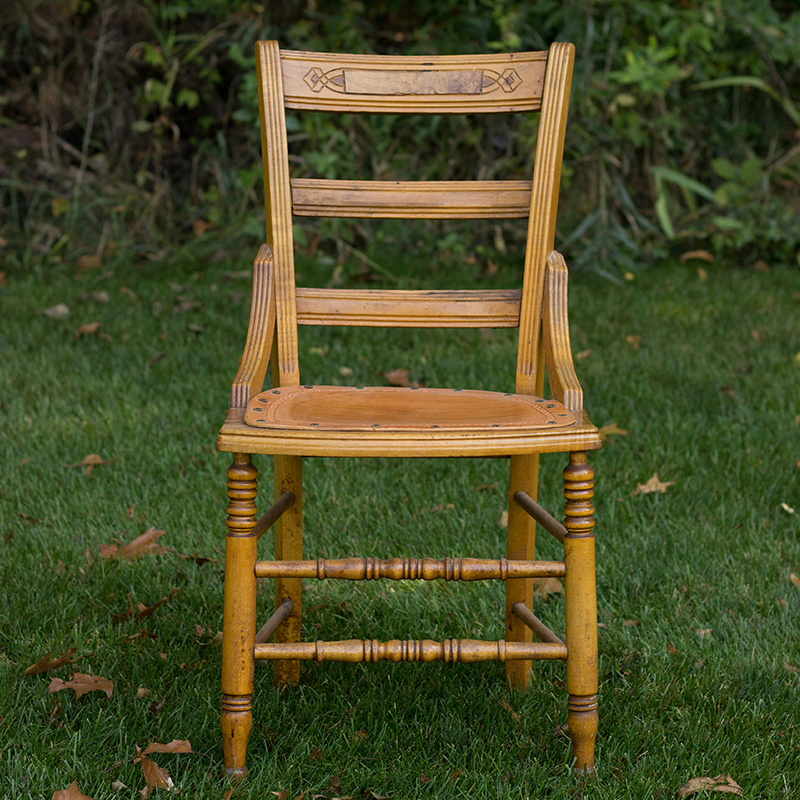
When you shop for new chairs, you face many choices. One big question is: Are solid wood chairs better than engineered wood chairs? The answer is not simple. It depends on your needs, budget, and taste. In this guide, we break down the pros, cons, and key differences. Plus, we share tips from Dtcasa, a trusted brand for quality home furniture. Let’s dive in.
What Are Solid Wood Chairs? Key Features and Benefits
Solid wood chairs come from natural timber. Think oak, maple, walnut, or teak. The maker cuts the wood straight from the tree. Then, they shape it into chair parts. No gluing, no layers, no fillers.
Benefits of solid wood chairs:
- Very strong – They handle heavy weight and daily use.
- Long lasting – With care, they last decades or even centuries.
- Easy to repair – You can sand out scratches or dents.
- Beautiful grain – Each piece has unique patterns.
- Increase in value – Good solid wood chairs can become antiques.
Drawbacks:
- Higher price
- Heavier to move
- Can warp or crack in very dry or humid places
What Are Engineered Wood Chairs? Types and Common Uses
Engineered wood chairs are man-made. Factories take wood fibers, chips, or veneers. Then, they bind them with glue, heat, and pressure. Common types include plywood, MDF (medium-density fiberboard), and particleboard.
Benefits of engineered wood chairs:
- Lower cost – Much cheaper than solid wood.
- Lighter weight – Easier to lift and rearrange.
- Stable shape – Less likely to warp or crack.
- Smooth surface – Great for painting or laminating.
Drawbacks:
- Less strong – Can break under heavy stress.
- Hard to repair – Once damaged, you rarely fix it.
- Contains glue – May release low levels of formaldehyde.
- Short life – Usually lasts 5 to 10 years.
Head-to-Head Comparison: Solid Wood vs. Engineered Wood Chairs
Let’s compare them side by side.
When it comes to strength, solid wood chairs are very high. Engineered wood chairs are medium to low.
For lifespan, solid wood lasts 20 years or more, often a lifetime. Engineered wood lasts only 3 to 10 years.
On price, solid wood is expensive. Engineered wood is budget friendly.
For repair, solid wood is easy to sand and refinish. Engineered wood is nearly impossible to fix.
Looking at eco-friendliness, solid wood is renewable but grows slowly. Engineered wood uses waste wood but contains glue.
In appearance, solid wood looks natural, warm, and unique. Engineered wood looks uniform and often has fake grain.
In short, solid wood wins on quality. Engineered wood wins on price.
Which One Lasts Longer? Durability and Maintenance Tips
Solid wood chairs last much longer. For example, a solid oak dining chair can serve your family for 50 years. An MDF chair may wobble after 4 years.
Why?
Solid wood has long fibers running through the whole piece. That gives it natural toughness. Engineered wood uses short fibers glued together. Over time, moisture and pressure break the glue bonds.
Maintenance tips:
- For solid wood: Dust often. Use coasters. Apply wax or oil yearly.
- For engineered wood: Keep dry. Avoid heavy loads. Don’t sand it.
dtcasa insight: dtcasa focuses on solid wood frames for their best-selling chairs. They note that customers often pass dtcasa chairs to younger family members. That’s real value.
Price and Value – Are Solid Wood Chairs Worth the Extra Money?
Here is the truth: Solid wood chairs cost 2 to 5 times more upfront. But they give better value over time. Let’s do simple math.
A solid wood chair costs about 200andlasts20years.Thatis
200andlasts20years.Thatis10 per year. An engineered wood chair costs about 60andlasts5years.Thatis
60andlasts5years.Thatis12 per year.
Plus, solid wood looks better and feels nicer. When you sell it, you may get back half your money. Engineered wood has near zero resale value.
When to choose engineered wood:
- Tight budget right now
- Temporary use (dorm, rental, kids’ craft room)
- You move homes often and need light furniture
When to choose solid wood:
- You want heirloom quality
- Your family uses chairs every day
- You care about natural materials
Environmental Impact – Which Wood Type Is Greener?
Many buyers worry about the planet. So, which is greener?
Solid wood is natural with no glue chemicals. It can be replanted and regrown. It also stores carbon for decades. However, trees grow slowly, taking 20 to 60 years. Also, some wood comes from non-sustainable forests.
Engineered wood uses small and waste wood pieces. It gives a higher yield per tree. But the glues contain formaldehyde, even in low amounts. Also, it is hard to recycle and usually goes to landfill.
Best choice: Look for FSC-certified solid wood. That means the forest is managed well. Some engineered wood with low-VOC glue is okay, but still not as green as natural wood.
dtcasa commitment: dtcasa uses FSC-certified solid wood in many products. They also share clear info on their website about each chair’s origin. That helps you choose wisely.
How to Tell Solid Wood from Engineered Wood – Simple Tests
You don’t need to be an expert. Try these easy tricks.
First, check the end grain. Flip the chair. Look at the bottom of a leg or seat. Solid wood shows rings like a target. Engineered wood looks like sawdust or thin layers.
Second, tap it. Knock on the seat. Solid wood makes a sharp, clear sound. Engineered wood makes a dull thud.
Third, look for repeats. See the same wood grain pattern twice? That’s a printed veneer. Real solid wood has unique grain everywhere.
Fourth, try the weight test. Solid wood is generally heavier. But note: Some cheap solid wood like pine is light. Some dense engineered wood is heavy. So use this with other tests.
Fifth, read the label. Brands like dtcasa clearly state “solid wood” or “engineered wood.” Avoid vague terms like “real wood” or “wood product.”
Best Uses for Solid Wood Chairs vs. Engineered Wood Chairs
Match the chair type to the room and use.
Solid wood chairs excel at dining chairs for daily meals, rocking chairs for long sitting, office chairs for constant moving, and outdoor covered patios if made of teak or cedar.
Engineered wood chairs work fine for guest chairs that get rare use, kids’ study desks where light weight helps, stackable chairs for parties, and trendy designs you may replace soon.
Avoid engineered wood for wet areas like bathrooms or open decks, heavy people over 250 lbs, and commercial use such as restaurants or cafes.
Dtcasa’s Take – Blending Quality and Affordability
dtcasa.com specializes in modern wood furniture. They know the solid vs. engineered debate well. Their approach is to use solid wood for the frame and seat, where strength matters most. For non-stress parts like back slats, they sometimes use high-grade plywood. This keeps prices fair without losing quality.
Top dtcasa tips for buyers:
- “Feel the bottom of the chair. That tells you the truth.”
- “Ask for the wood species. Oak and walnut are toughest.”
- “Avoid particleboard chairs. They break fast.”
- “Check our clearance section for solid wood deals.”
dtcasa also offers a 5-year warranty on solid wood chairs. That shows confidence in their build.
Final Verdict – Which Chair Should You Buy?
So, are solid wood chairs better than engineered wood chairs? For most homes, yes. Solid wood wins on strength, beauty, lifespan, and even long-term value. The only times to pick engineered wood are short-term needs or very low budgets.
Your action plan:
- Set a budget. If you can spend $100 or more per chair, go solid.
- Visit a store or check dtcasa.com to feel the difference.
- Test with the tapping and end-grain methods.
- Buy the best you can afford. A solid wood chair saves money over time.
Remember: A good chair holds your body, your meals, and your memories. Don’t let cheap materials shortchange that. Choose solid wood for peace of mind.
Looking for affordable solid wood chairs? Browse dtcasa’s collection of FSC-certified oak and walnut chairs. They ship free and offer easy returns.


Copyright © 2026 上海德庭实业有限公司 Ltd. All Rights Reserved. POWERED BY WEIMOBTRADE
